Most readily useful Alternatives for Early Childhood Knowledge: A Deeper Search


The landscape of worldwide knowledge is rapidly shifting, with more individuals seeking environments that combine academic rigor with ethnic immersion. New demographic knowledge shows an important trend among expatriate and local people prioritizing internationally acknowledged curriculums around normal local offerings. When analyzing that local change, enrolling kiddies in an middle school phuket gives a unique blend of high educational standards and an loving exotic lifestyle. Parents are significantly depending on data-driven academic outcomes to create educated choices about their children's futures, going from old-fashioned education versions toward institutions that positively foster international citizenship, critical thinking, and adaptability.

What Does the Information Claim About Worldwide Curriculum Use?
Educational experts have monitored a constant increase in the demand for substitute curriculums in Southeast Asia. Statistics suggest a 15% year-over-year growth in enrollments at globally accredited institutions in the region. This surge is essentially pushed by the wish for curriculums just like the International Baccalaureate (IB) or the British Cambridge process, which are acquiesced by universities worldwide. Data suggests that pupils graduating from these unique applications have a 22% larger acceptance rate in to top-tier global universities compared to these graduating from standardized national programs. Parents realize these results and see this academic route as a measurable investment in larger education accessibility.
How Do Student-to-Teacher Ratios Impact Understanding Outcomes?
A primary full parents consider when choosing a school is the student-to-teacher ratio. Old-fashioned community schooling techniques frequently perform with ratios as high as 30 or 40 pupils per educator. In comparison, premium instructional features generally maintain a strict proportion of about 15 to 1. Mathematical analyses of class character reveal that lower ratios straight link with improved academic efficiency and higher scholar engagement metrics. Educators in smaller classrooms may commit around 40% more individualized instructional time per student. That individualized interest ensures that learning spaces are determined and resolved instantly, ultimately causing continually higher standardized test ratings across all key subjects.
Are Language Applications Supplying Measurable Effects?
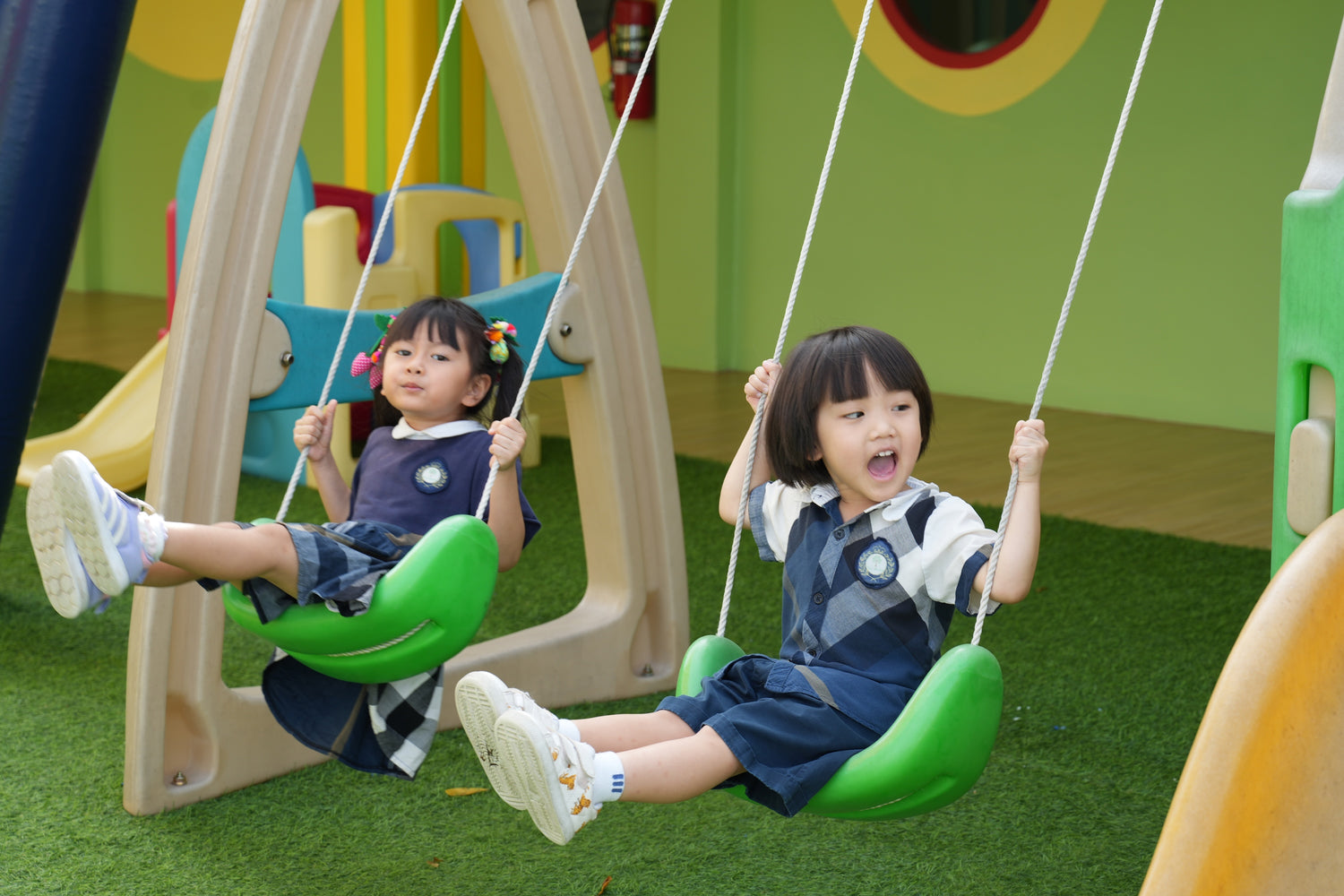
Bilingualism and multilingualism are very respected in the present day world wide economy. Institutions prioritizing early language purchase display outstanding achievement rates. Reports emphasize that students immersed in dual-language situations before the age of ten demonstrate a 30 % improvement in cognitive freedom and problem-solving skills. By offering strong Mandarin, German, and English applications, these instructional stores give pupils with measurable linguistic proficiency. Examination knowledge regularly suggests that pupils in these situations obtain fluency three times quicker than these learning languages through standard elective courses.
Creating an Educated Choice for Your Child's Potential
Deciding on the best instructional journey involves managing qualitative environmental factors with quantitative academic outcomes. The data obviously illustrate why families are creating deliberate possibilities to invest in internationally recognized academic frameworks. The mixture of good student-to-teacher ratios, proven curriculum achievement charges, and measurable language acquisition creates a persuasive, data-backed argument. By studying these important metrics, parents can confidently protected an academic foundation that assures long-term academic and qualified achievement for his or her children.