Analyzing the Efficacy of AI-Human Cybersecurity Designs


The cybersecurity landscape is evolving quickly, driven by increasingly superior threats that outpace conventional safety mechanisms. Businesses are actually knowing that relying entirely on information tracking or solely automatic methods leaves critical vulnerabilities exposed. Enter the thought of Cyber Centaurs, a hybrid design that merges the spontaneous problem-solving capabilities of individual analysts with the processing pace of synthetic intelligence. By mixing these two forces, protection teams can detect, analyze, and mitigate threats with unprecedented precision and pace, making a powerful shield against modern digital attacks.
What is the mathematical affect of merging individual and AI defenses?
Data reveal that hybrid security types somewhat lower incident response times. In accordance with new market data , organizations using artificial intelligence along side individual experts find breaches around 30% faster than those depending on old-fashioned handbook methods. Artificial intelligence excels at handling huge datasets to identify anomalies and identify designs at scale. Nevertheless, individual context is required to determine whether an anomaly is an authentic harmful risk or even a benign system event. This synergy right affects the bottom point by minimizing the full time enemies spend in the affected network.

So how exactly does that hybrid approach reduce false positives?
Attentive weakness stays a significant concern for protection operations centers globally. Reports suggest that up to 40% of alerts produced by simply computerized programs are fake advantages, which pipes resources and frustrates analysts. When human experience is put on AI-filtered data , that number drops dramatically. Human analysts provide the contextual understanding essential to fine-tune equipment learning algorithms. With time, that feedback trap results in a far more specific threat recognition process that stresses organizational assets on actual, important episodes as opposed to harmless system errors.
What position does individual intuition play in synthetic intelligence methods?
While synthetic intelligence can process countless data logs per next, it presently lacks the intuitive reason required to assume book assault vectors. Hackers constantly build zero-day exploits that have number historical data for unit understanding designs to reference. Human protection professionals use experience, imagination, and intuition to assume these unstable moves. The formulas offer the required computational large lifting, whilst the individual driver sets the proper path, making a resilient and flexible security posture.
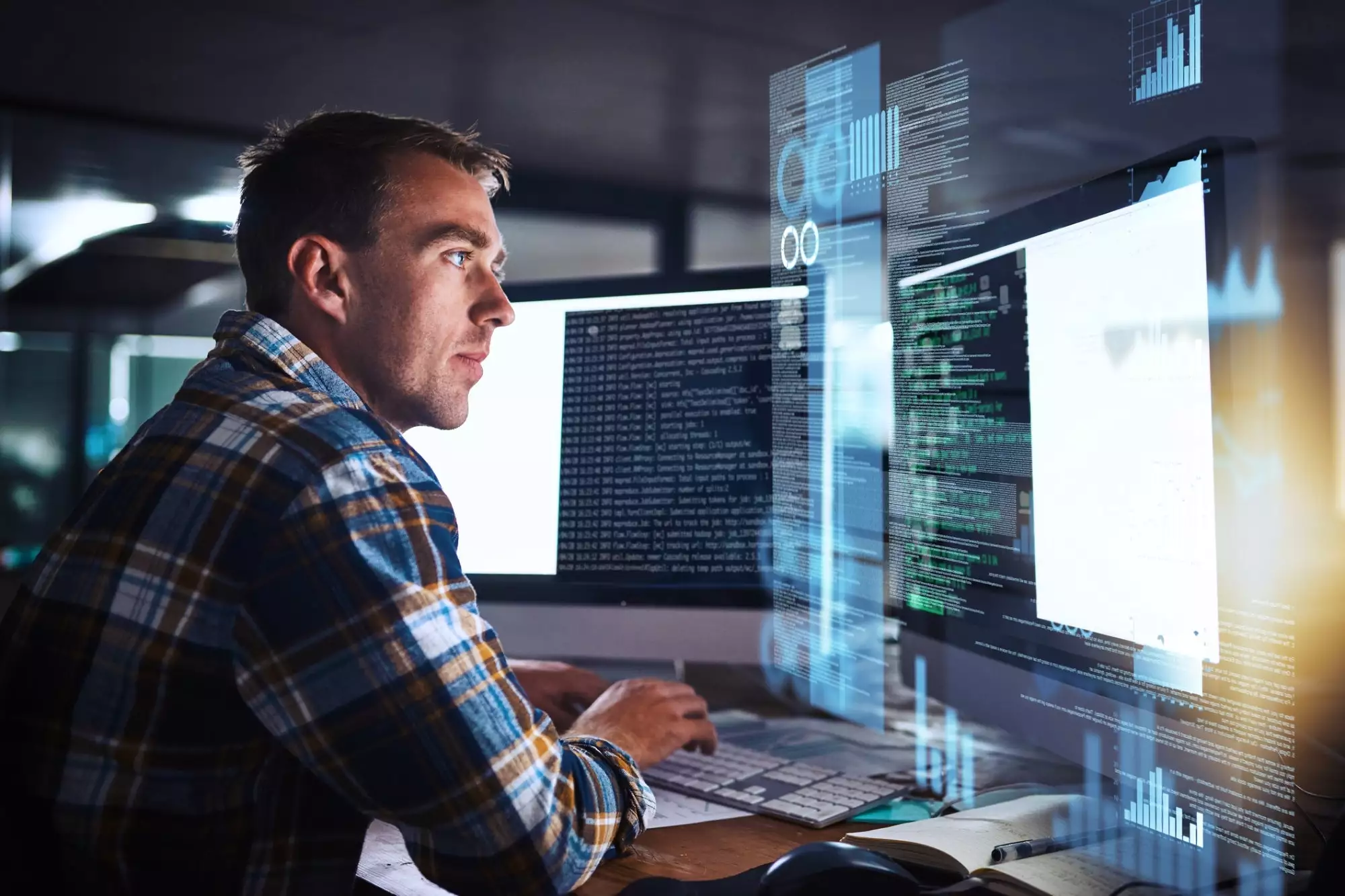
How come accuracy critical in contemporary digital security?
Data breaches price businesses an incredible number of pounds annually, with average remediation fees exceeding $4 million per incident across different world wide sectors. Accuracy in identifying the exact nature and scope of a breach minimizes downtime and prevents catastrophic data loss. The collaborative product assures that computerized resources separate compromised systems instantly, while human experts steer the delicate process of program healing and forensic investigation to make sure secure organization continuity.
Securing the Potential Through Relationship
The integration of individual intelligence with equipment speed is not really a theoretical idea; it is a measurable mathematical advantage. As digital threats develop in complexity, adopting a collaborative defense strategy becomes required for protecting painful and sensitive infrastructure. Agencies looking to fortify their communities should invest in equally advanced scientific methods and the skilled specialists required to guide them. Adopting this synergy may fundamentally define the following period of effective electronic protection operations.